

Grape expectations
Itamar Srulovich explains how to choose the perfect wine to accompany Middle Eastern food, whether it's sharp citrus salads, spiced lamb or lemon chicken

by Itamar Srulovich
I have been pouring a lot of wine over this past month, talking a lot about wine, and tasting my fair share, too – or perhaps a little more than my fair share. It’s one of the perks of opening a wine bar on London’s Great Portland Street, a project that’s been brewing (although fermenting may be a more appropriate term) for years.
For ages, my wife, Sarit, and I have been pondering what to serve with Middle Eastern food and, as more and more of us bring the flavours and spirit of this region to our homes, maybe that’s a question you’ve been asking yourself as well. The instinct has always been to match dish by dish but, as anyone who has ever sat down to a Levantine spread knows all too well, that doesn’t really work. A Middle Eastern meal is a rush of different flavours; it’s a table of contrasts, not courses.
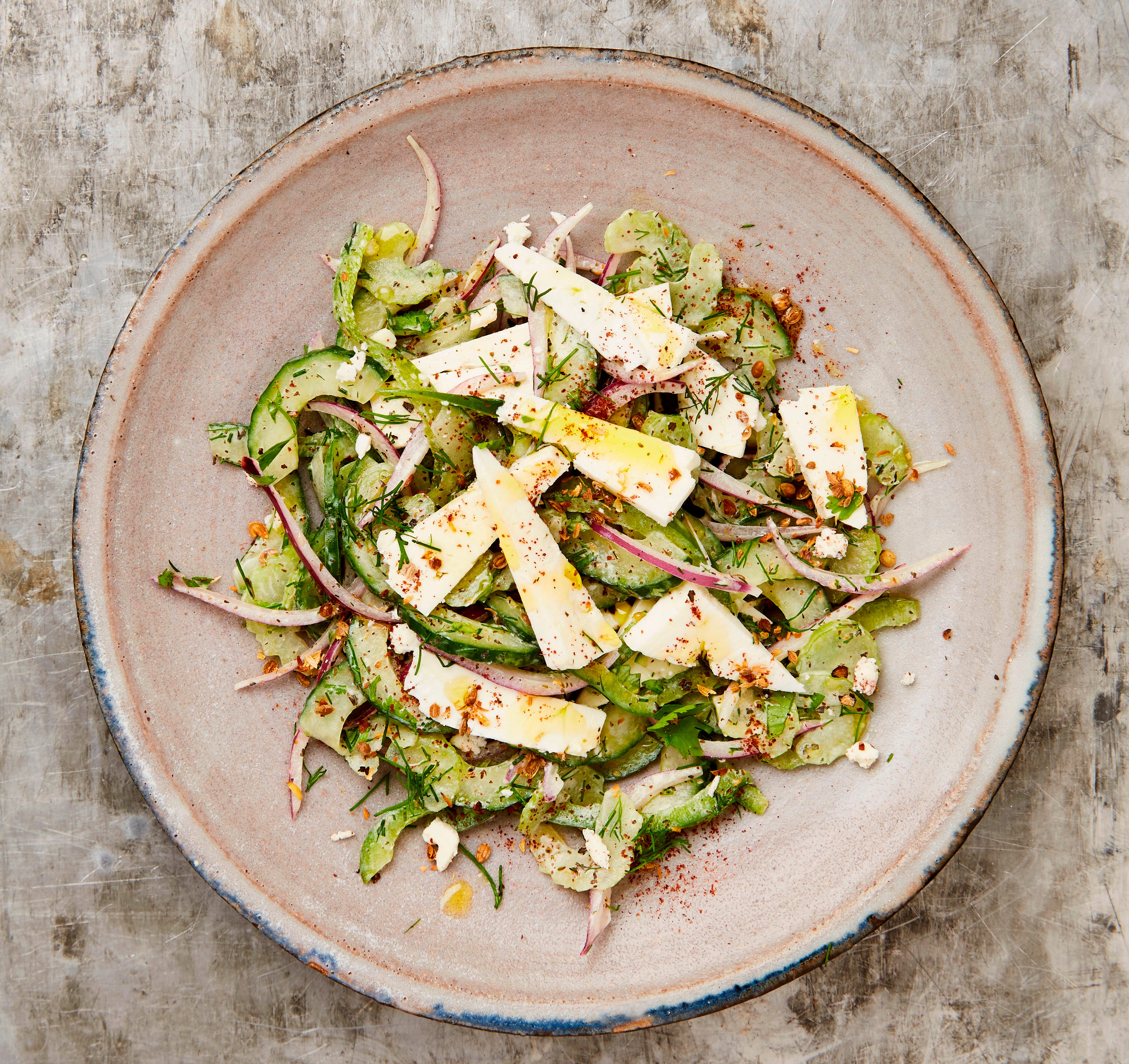
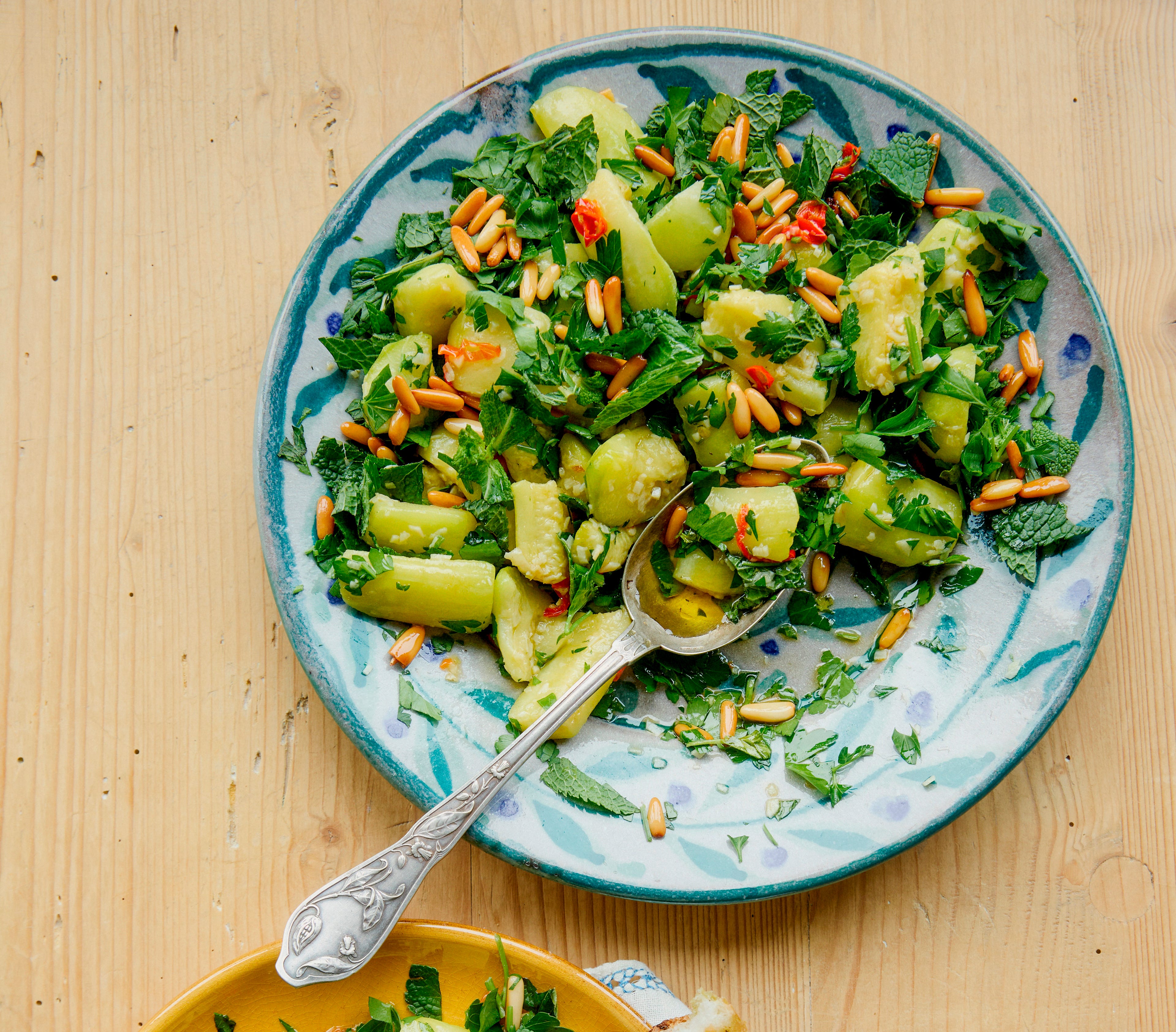
So, instead of asking which wine goes with this dish, the better question is: which wine behaves like this food? You want wines that feel like the food itself. Think of Yotam Ottolenghi’s sharp, herby summer salads – all parsley, citrus, crunch. (Ottolenghi’s chopped salad with feta and yoghurt salad is pictured above.) Or Fadi Kattan’s homely, Palestinian vegetable fare (such as his mafghoussa, pictured below), or Georgina Hayden’s lemon chicken, or Diana Henry’s spiced lamb served with Sabrina Ghayour’s carrot salad. These aren’t dishes that need heavy wine; they need something that moves – bright, alive, slightly unruly. Wines with acid that can stand up to lemon, with enough texture for olive oil, and enough freshness to cut through spice.
The answer is about alignment – finding wines that speak the same language as the food: citrus, heat, oil, joy. This is where the Mediterranean, and its eastern edge, comes into its own. Wines from Greece, Lebanon, Israel and Palestine often share the same DNA as the food: sun, salt, acidity, herbs. They don’t fight the table; they work with it. A Greek assyrtiko with its saline edge, a Lebanese red with lifted fruit and spice, a skin-contact white that echoes the funk and brightness of pickles and ferments. They seem less pairings and more extensions of the meal.
Putting together a list of wine from this region felt like a hopeful act, a small (and maybe insignificant) place where we can imagine a different Middle East. As we introduce these bottles to our guests and pour something unexpected into their glasses, a conversation starts that can be joyous and interesting, not always straightforward or easy, sometimes profound – and always worth having.
Our month in food

Waste not, want not | A new book from Tim Anderson is always a good thing, and if you are like us and hate having unused jars of stuff in your kitchen (of course you are!), then JapanEasy Kitchen should be right up your alley. Among many other things, it’s a treasure trove of ideas for what to do with the remains of that jar of miso that’s solidifying in your fridge.
Fruitful endeavours | May is the month of nespole, AKA loquats. For those who are not yet awake to the magic of this fruit, imagine an apricot that is sweeter, firmer and more acidic. They are pure nostalgia for everyone who grew up around the Mediterranean, because these trees are everywhere and they are the first fruit of the season. You can get them now in Middle Eastern markets and speciality shops. The season is short, and we intend to eat as many as we can before it ends.
Best bar none | We thought we could not love Phil Khoury more – his books, we strongly believe, should be on the shelves of every baker (our copy of Beyond Baking is totally worn out), but it turns out we can! He showed up at our restaurant with not one but three of his famed chocolate bars, which we should have savoured but couldn’t resist devouring immediately. Come again, Phil!

What to cook
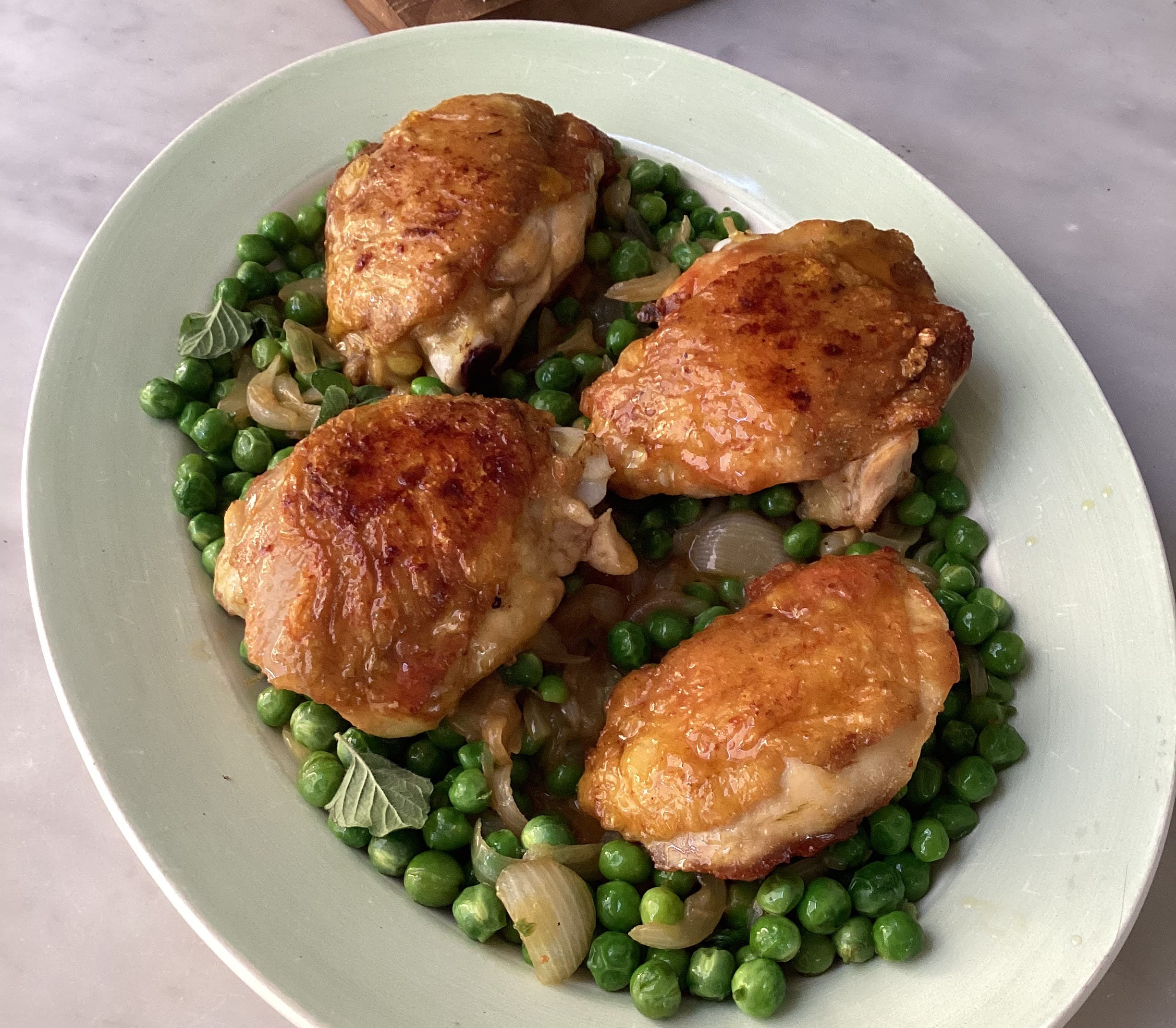
Rachel Roddy’s spring chicken thighs with spring onions, mint and peas | A kitchen in Rome
Thoran and chaat: Romy Gill’s Indian-style asparagus recipes
Fears for spears: how to cook asparagus without blanching | Kitchen aide
Sliders and slaw, and cheesy, nutty wedges: Simon Rogan’s spring cabbage recipes
Restaurant of the week
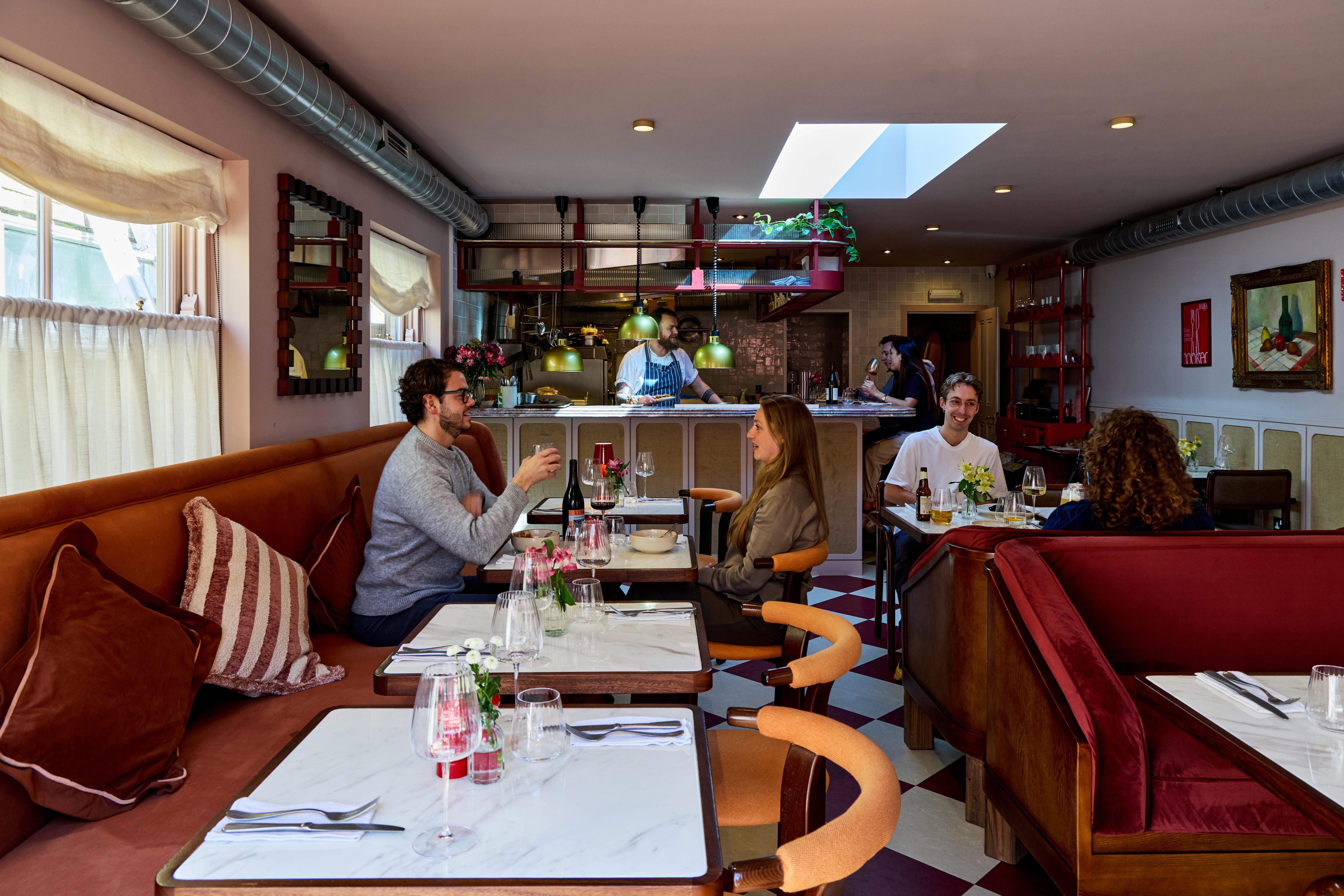
Willy’s, Margate | Grace Dent popped into Margate House hotel for a snoop, with no plans to eat, but was soon tempted by its “cool, cute and jovial” eatery. From a hearty menu that “chortles in the face of small plates”, she enjoyed deftly seasoned beef rump tartare with caper dressing and dripping toast, and chalk stream trout with cavolo nero in a puddle of seaweed butter sauce. Praising the “brief but pleasing” dessert list, she concluded that, if she were to stay at the hotel, she would “stay in bed and plead for room-service rhubarb crumble.” Read the full review.
An extra helping
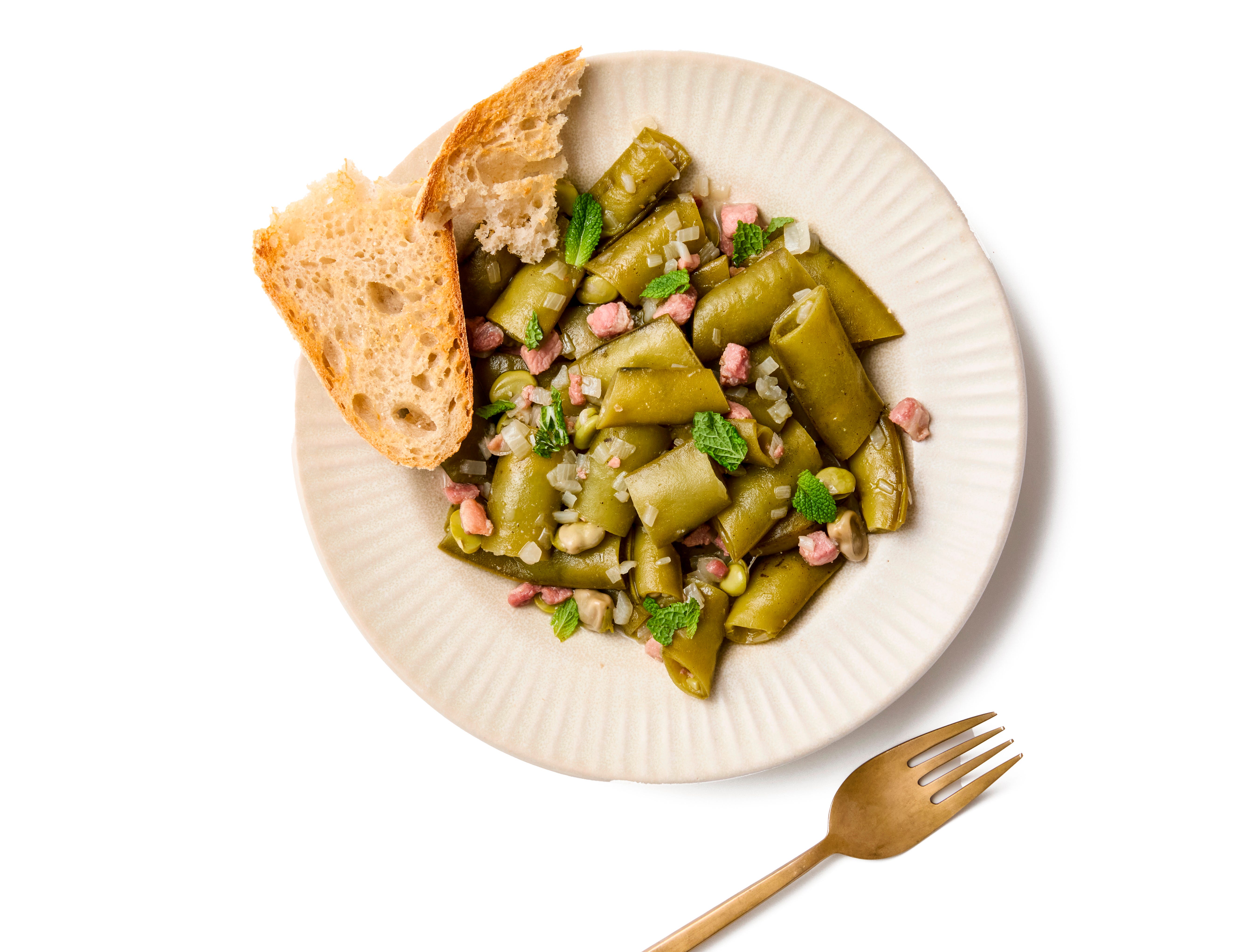
If the grey and wrinkly broad beans of your youth put you off the legumes for life, this week’s masterclass from Felicity Cloake might convince you to give them another chance: tender Spanish broad bean stew dotted with salty cured ham or sundried tomatoes.
Seven years after it crashed and burned, Jamie’s Italian has opened a flagship store in London’s Leicester Square. Helena Horton speaks to Ed Loftus, the chain’s global director, about the nerve-racking new venture.
“It did not go well”: Emma Beddington faces juice and humiliation as she tries out Rosamund Pike’s no-knife technique for eating a pineapple.
With a creamier texture and more delicate flavour than their canned counterparts, Tom Hunt tastes and rates the best jarred butter beans.

I'm so happy you mention loquats. I've only recently become aware of them and feel like I should gorge on them to make up for lost time. Any recipe tips?